
How to Plan a Corporate Event in India — A Complete Guide
Planning a corporate event in India involves a distinct set of considerations, from navigating venue availability to managing vendor ecosystems that vary by location. Here is the complete guide.
Reviewed by Upshot Concept · Last updated 14 August 2026
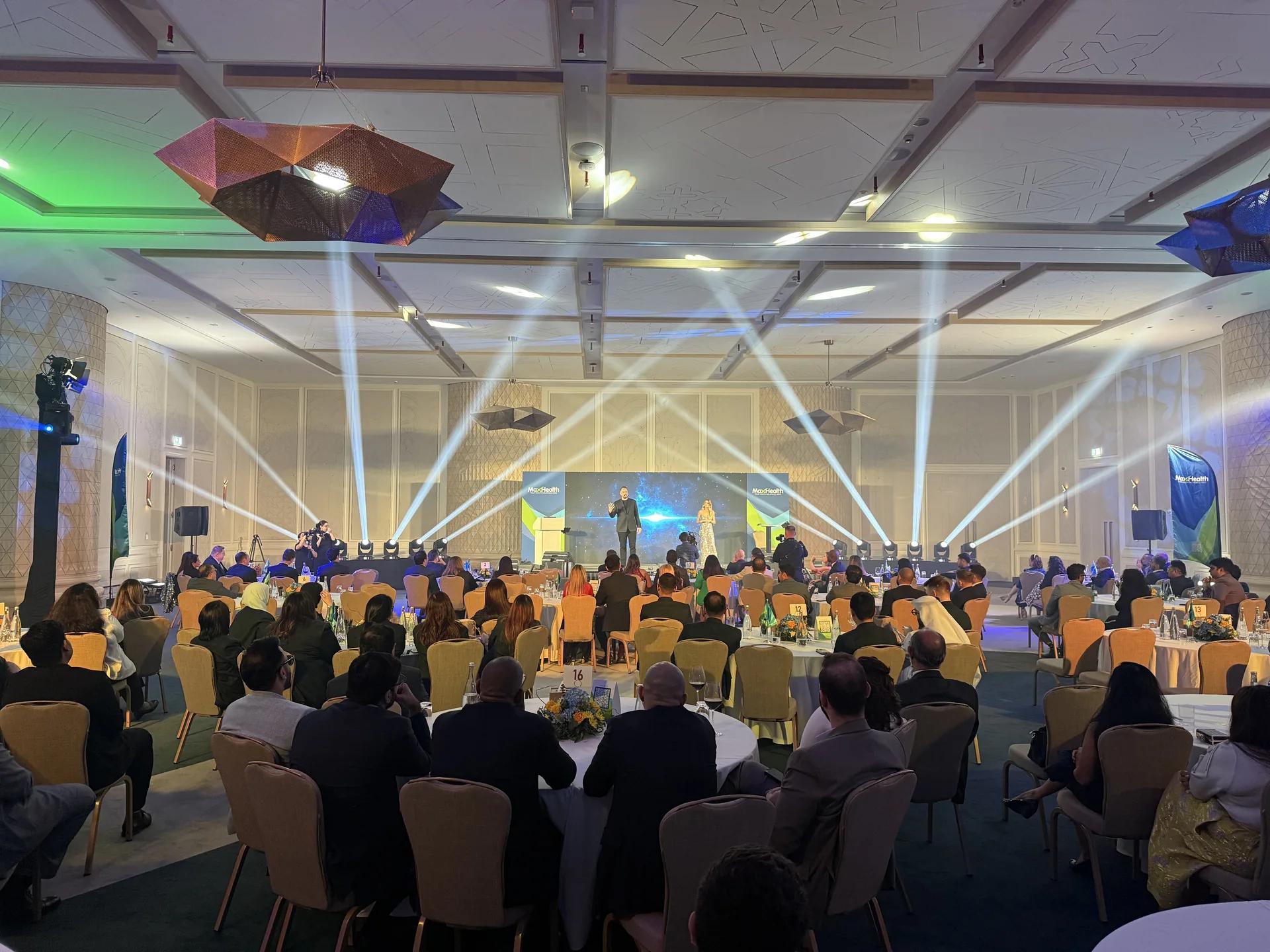
Step 1 — Define your event objectives clearly
Before any venue is booked, the most important step is defining what success looks like. What is the primary purpose? Who is the audience and how many will attend? What is the desired outcome? What is the total budget and how is it split?
Step 2 — Choose the right city and venue
Delhi NCR is the largest corporate event market with the most hotel inventory. Mumbai is the financial capital, ideal for product launches and press events. Bangalore is the technology sector hub. Hyderabad has strong pharmaceutical and IT presence with excellent convention facilities. Goa and Jaipur are best for incentive travel and offsites.
Step 3 — Build a realistic budget
Corporate event budgets in India typically break down as: venue hire 20–30%, food and beverage 25–35%, AV and technical production 15–25%, decor and theming 10–15%, staffing and logistics 5–10%, and a contingency of 5–10%.
Step 4 — Appoint the right event management partner
Managing a corporate event across multiple vendors is complex. Look for a partner with experience in your event type and scale, transparent line-item budgeting, a dedicated point of contact, verifiable experience in your chosen city, and accountable technical production capability.
Step 5 — Lock venue and anchor vendors early
In cities like Mumbai, Delhi and Bangalore, premium venues and high-demand AV vendors book up three to six months in advance for peak season, October to February.
Step 6 — Create a detailed run of show
A run of show is a minute-by-minute timeline of your entire event, from crew load-in to delegate arrival to final curtain. It is the single most important document in event management.
Recommended lead times
Large conferences with 500 or more delegates need 12 to 16 weeks. Mid-size conferences of 100 to 500 delegates need 8 to 12 weeks. Product launches and press events need 6 to 8 weeks. Team offsites and workshops need 4 to 6 weeks.